

TL;DR Summary:
The City of Portland is seeking volunteers to serve on a new Community Board for Police Accountability (CBPA). This board will play a key role in reviewing police conduct and recommending policy changes.
Applications are open now and due by Monday, April 14, 2025.
A New Chapter in Police Oversight
In 2020, Portland voters approved a measure to overhaul the city’s police oversight system. After years of community input, a new Office of Community-based Police Accountability (OCPA) has been established to lead this change. Now, Portlanders have a chance to directly participate by serving on the very first Community Board for Police Accountability.
This is a unique opportunity for residents from all walks of life to help shape the future of public safety in our city. The goal: a fairer, more transparent system that centers community voices.
What’s Happening
The City of Portland is now accepting applications for 21 volunteers to serve on the CBPA. These board members will:
- Work with OCPA to investigate reported misconduct by Portland Police officers and supervisors
- Review cases promptly, fairly, and impartially
- Impose appropriate discipline when necessary
- Recommend changes to police practices, policies, and directives
Board members will meet monthly on weekday evenings and receive a $500 annual stipend.
Why It Matters
This board is a cornerstone of Portland’s reimagined police oversight system. It’s designed to be community-led and independent, giving everyday Portlanders real influence over how public safety is handled in our city.
Importantly, the city is actively seeking people who may not have been involved in this kind of work before. Your lived experience, your neighborhood perspective, and your voice are all valuable.
How to Get Involved
- Apply by April 14, 2025
- Visit: GovernmentJobs.com – CBPA Volunteer Position
- Questions or need help with your application?
- Email: CBPAinfo@portlandoregon.gov
- Call: (971)610-1963
- Interpretation, translation, and accommodation support are available by calling 311 (TTY: 711).
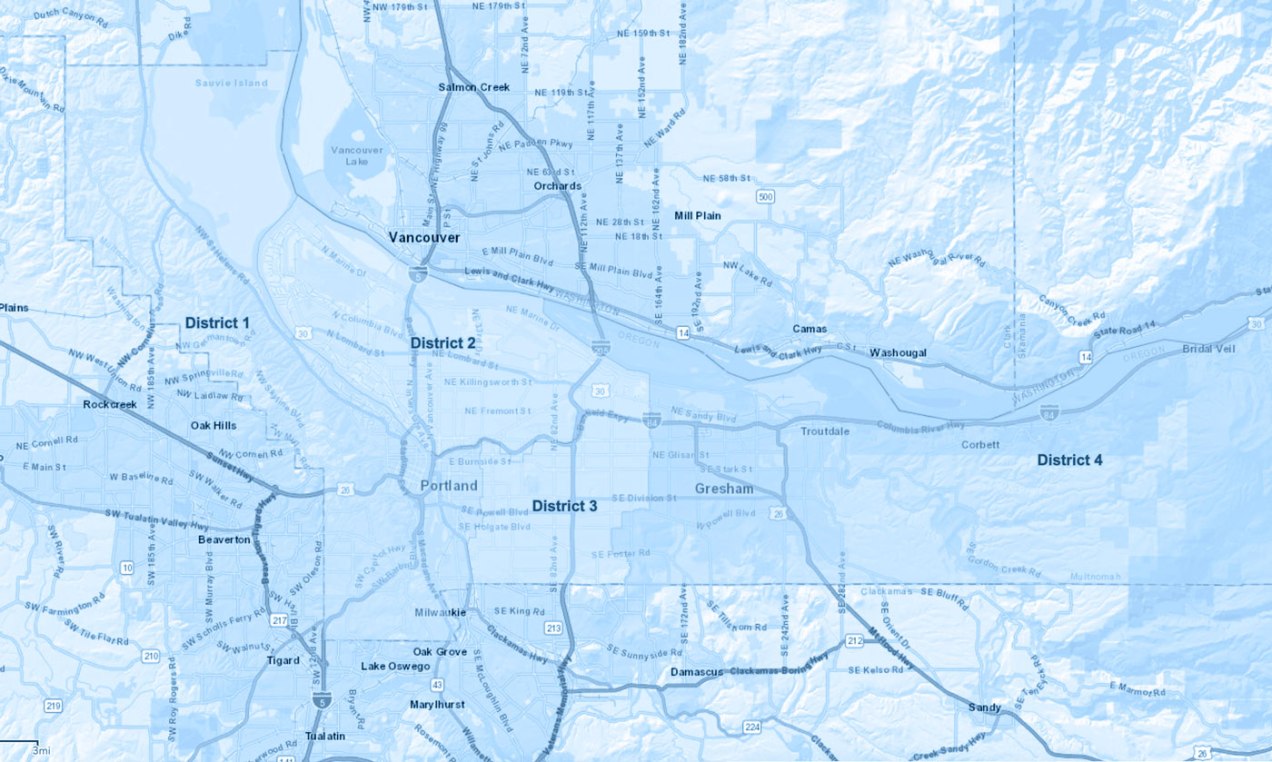
Let’s Make Sure East Columbia Is Represented
If you’re passionate about fairness, public service, and accountability—or if you know someone who is—please consider applying or sharing this opportunity. This is a chance to help build a more responsive and inclusive public safety system for all of Portland.
Questions? Want a speaker at an upcoming meeting?
Reach out to Kristen Thorp from the Office of Community-based Police Accountability at kristen.thorp@portlandoregon.gov.


 East Columbia Neighborhood Association